How does macOS Tahoe improve security compared to older versions?
Posted on
by
Kamso Oguejiofor-Abugu

macOS Tahoe 26 is Apple’s latest major macOS release at the time of writing, and it includes Apple’s newest security fixes, privacy updates, and system protections for supported Macs. Keeping your Mac up to date is one of the simplest ways to close known security gaps and reduce the risk of older flaws being used against your device.
At the same time, no macOS update can stop every threat on its own. Phishing emails, deceptive downloads, fake updates, and malicious browser extensions can still put Mac users at risk. Built-in protections help, but safe browsing habits and dedicated Mac antivirus protection still matter.
This guide explains how macOS Tahoe improves security compared to older macOS versions, where the biggest changes affect everyday Mac use, and what Tahoe still doesn’t protect against by itself.
Is macOS Tahoe more secure than older macOS versions?
Yes. macOS Tahoe 26 is more secure than older macOS versions because it includes Apple’s latest macOS security updates, privacy refinements, Safari/WebKit protections, and built-in malware defenses for supported Macs.
Older supported macOS versions may still receive some security updates, but they don’t always include the newest privacy, browser, and system-level protections Apple adds to its latest major release. Once a macOS version becomes unsupported, newly discovered flaws may no longer be fixed, which can make older Macs more exposed over time.
Upgrading to Tahoe doesn’t make your Mac immune to threats, but it does give you the most up-to-date macOS protections Apple currently offers. Think of it as one important layer of protection, not a complete security setup.
What security improvements does macOS Tahoe include?
The security improvements in macOS Tahoe aren’t limited to one big change. Instead, Apple has updated many smaller parts of macOS to help improve privacy, tighten app permissions, reduce known security risks, and make everyday Mac use safer overall.
Newer security patches
macOS Tahoe receives Apple’s latest security updates for supported Macs, including fixes for vulnerabilities Apple has identified and patched. These fixes can affect parts of macOS people use every day, including Safari, WebKit, networking, app handling, and system components.
Security updates matter because flaws are often discovered after software is already in use. Installing updates promptly helps close known gaps and reduces the time your Mac spends exposed to issues Apple has already fixed.
Some attacks also take advantage of flaws before they’re widely known or fixed. These types of attacks are known as zero-day exploits, which no system can predict perfectly. However, when you’re on the most recent macOS version, you’re in the best position to receive Apple’s newest security fixes as soon as they’re available.
Stronger privacy and permission protections
Tahoe continues Apple’s push to give users more control over what apps can access on their Macs. These protections matter because apps often ask to use personal areas of your device, such as your location, camera, microphone, photos, contacts, and other private data.
With Tahoe, Apple continues refining how macOS handles app permissions and privacy controls. You’ll still see permission prompts when an app asks for certain types of access, but macOS also works behind the scenes to limit access apps don’t need.
The benefit is simple: apps have fewer quiet ways to reach information they shouldn’t need, and you have more control over what each app is allowed to do.
Gatekeeper and app-checking improvements
macOS Tahoe continues Apple’s built-in app-checking protections, which help make it harder for unsafe or altered apps to open unnoticed on your Mac, especially if you download software from outside the App Store.
One of the tools behind this is Gatekeeper, which checks new apps before they open to make sure they come from a recognized source and haven’t been tampered with.
Tahoe includes Apple’s latest updates to the systems that help check apps and handle suspicious software. That can help reduce the risk of accidentally opening harmful downloads, fake installers, or modified apps that look real.
While Gatekeeper is helpful, it’s still best to download apps from sources you trust and be cautious with unfamiliar software or browser extensions.
Browser and web protection updates
Browsers are one of the most common ways attackers try to target users. With Tahoe, Apple includes the latest Safari and WebKit security updates available for supported Macs.
Apple has added fixes that help reduce the risk of malicious or compromised websites taking advantage of known browser weaknesses. These updates can help protect against issues like deceptive websites, unsafe web content, and attacks designed to trigger problems through normal browsing activity.
Tahoe also includes privacy and security improvements that help limit unnecessary access to certain types of device and browsing data while you’re online.
Compared to older macOS versions, Tahoe gives supported Macs Apple’s latest Safari and WebKit protections. It doesn’t remove web-based threats entirely, but it does help close known browser and web content gaps Apple has patched.
Better protection around system components
macOS Tahoe also includes security updates for core parts of macOS that work behind the scenes, including areas related to networking, app permissions, and how the system handles software activity.
While these aren’t features most people notice day to day, they still matter because they affect what apps, websites, and other software are allowed to do on your Mac.
Updates in these areas help reduce the risk of crashes, misuse, and apps or websites getting access to parts of macOS they shouldn’t be able to reach.
Tahoe also includes fixes related to media handling, network privacy, memory protections, and communication features like FaceTime. While many of these changes stay invisible to users, they improve the security and stability of macOS over time.
How macOS Tahoe compares to older macOS versions
While Apple still supports some older macOS versions, Tahoe gives users the most current macOS security fixes and privacy improvements. Here’s a quick look at how macOS Tahoe stacks up against previous versions:
| Area | macOS Tahoe | Older macOS Versions |
| Security patches | Receives Apple’s latest security updates and protections | May still receive some security updates while supported, but won’t always get the newest macOS protections |
| Privacy controls | Uses the newest privacy and permission improvements | May not include the latest privacy refinements |
| App protections | Includes the latest Gatekeeper and app verification updates | May not include newer verification improvements |
| Safari/WebKit security | Uses the most current version of Safari to handle modern web risks | May become more exposed if browser updates stop |
| Compatibility | Fully supported on compatible Macs | Older Macs eventually stop receiving major macOS upgrades and, later, security support |
Does macOS Tahoe protect against malware?
macOS Tahoe includes several built-in protections that help reduce malware risk on supported Macs. That said, Apple uses a few different methods to keep things running safely in the background:
- XProtect: Helps detect, block, and in some cases remediate known malware.
- Gatekeeper: Checks downloaded apps, plug-ins, and installer packages before they open.
- Notarization: Lets Apple check apps distributed outside the App Store for known malicious content before they’re opened by users.
These protections help to reduce risk, especially for known threats. However, malware can still reach users through deceptive downloads, fake software updates, malicious scripts, unsafe browser extensions, phishing emails, and stolen login credentials.
That’s why built-in protections are often just one part of a broader security setup. A dedicated Mac virus scanner can add features like real-time malware monitoring, manual scan controls, and more visibility into suspicious files or activity on your Mac.
Why updates matter for zero-day protection
One of the most important reasons to keep your Mac updated is protection against zero-day attacks. These attacks target a software flaw before a fix is widely available, or before most users have installed it.
This creates a window of time where attackers can take advantage of a newly discovered issue before many devices are fully protected.
When Apple releases a fix, the risk changes. People who update quickly are less likely to remain exposed to that specific flaw, while devices running older software may stay vulnerable for longer.
Of course, updates don’t prevent every possible zero-day attack. New gaps can still be discovered in the future, and no operating system can predict every unknown threat in advance.
That’s why it’s best to see regular updates as one layer of a broader security approach. They help close known gaps quickly, but combining them with safe browsing habits, cautious downloads, and additional security tools gives you stronger overall protection.
Should you upgrade to macOS Tahoe for security?
If your Mac supports Tahoe and your usual apps are compatible with it, upgrading is usually a smart step for your security. It gives your Mac Apple’s latest security fixes and protections.
Before you make the jump, here are a few tips for a smooth transition:
- Check the supported list: Confirm your specific Mac model is included in Apple’s compatibility list.
- Check your apps: Make sure the software you rely on every day supports Tahoe.
- Save your work: It’s always a good idea to have a fresh backup of your files before a major update, just in case anything goes wrong during installation.
Once you’ve moved to Tahoe, remember to keep an eye out for the smaller follow-up updates (like Tahoe 26.1 and beyond) Apple sends out later. These help you stay protected against newly discovered flaws.
If your Mac can’t run Tahoe, that doesn’t mean it’s immediately unsafe. Older Macs can still be used safely, especially if they continue receiving security updates. But over time, unsupported systems may miss newer protections, so it’s important to be careful with downloads, email attachments, websites, and unfamiliar software.
What macOS Tahoe does not protect you from by itself
While macOS Tahoe makes the operating system’s built-in defenses stronger, it doesn’t cover every kind of risk. Many modern threats rely less on breaking into software and more on convincing people to click, install, approve, or share something themselves.
This means that even with the most current updates, your browsing habits, downloads, passwords, and online decisions still play an important role in staying safe.
Even with the latest macOS updates installed, risks can still come from:
- Phishing emails and fake login pages: Messages or websites designed to steal passwords or personal information.
- Unsafe downloads: Apps, installers, or files that appear legitimate but contain harmful software.
- Malicious browser extensions: Extensions that track activity or collect more information than you expect.
- Public Wi-Fi networks: Shared networks where unprotected traffic may be easier for others to monitor or intercept.
- Scam calls and messages: Social engineering attempts that try to pressure you into sharing sensitive information.
- Stolen passwords: Login credentials exposed through data breaches or reused passwords.
Think of Tahoe as a solid starting point rather than a complete solution. You can add to it by:
- Using real-time Mac antivirus protection to help catch suspicious files, unsafe downloads, and known malware threats
- Staying mindful of what you click
- Using unique passwords for your accounts
- Using a virtual private network (VPN) when browsing or using public Wi-Fi networks
How to stay safer after upgrading to macOS Tahoe
Upgrading to Tahoe is a great first step, but security is an ongoing habit, not a one-time event. To keep your Mac running smoothly and securely, follow these practical steps:
- Turn on automatic updates: Install security updates as they become available.
- Keep browsers and apps updated: Keeping Safari and your favorite apps updated ensures that any known vulnerabilities are patched quickly.
- Download from trusted sources: When looking for new software, it’s always safest to download from the App Store or directly from a company’s official website.
- Review your Privacy & Security settings: You might be surprised which apps have access to more data than necessary. If an app doesn’t really need that access to do its job, feel free to turn it off.
- Be cautious with browser extensions: Only keep the extensions you actually use and trust. If you haven’t used one in months, it’s safer to just delete it.
- Use strong passwords or passkeys: Use long, complex passwords instead of personal details like your birthday. Also, give every account a unique password, so that one compromised site doesn’t put your other accounts at risk.
- Use real-time Mac security protection: A dedicated Mac security tool can check files as you download or open them, flag known malware, and give you more visibility into suspicious activity.
- Scan suspicious files: If a downloaded file seems unusual, scan it with a Mac virus scanner before opening it.
- Back up regularly: Whether you get a malware infection or system issue, having a recent backup means you can restore your data quickly.
Bottom line: Is macOS Tahoe a security upgrade?
Yes. For supported Macs, macOS Tahoe is a security upgrade because it includes Apple’s newest macOS protections, privacy refinements, and security fixes.
At the same time, macOS Tahoe isn’t a complete security solution on its own. It helps lower risk, but it doesn’t prevent every threat, especially those that rely on phishing emails, deceptive downloads, or newly discovered security issues.
That’s why it’s best to treat Tahoe as one layer of protection. Keeping macOS updated matters, but it works best alongside careful downloads, safer browsing habits, and dedicated Mac security software.
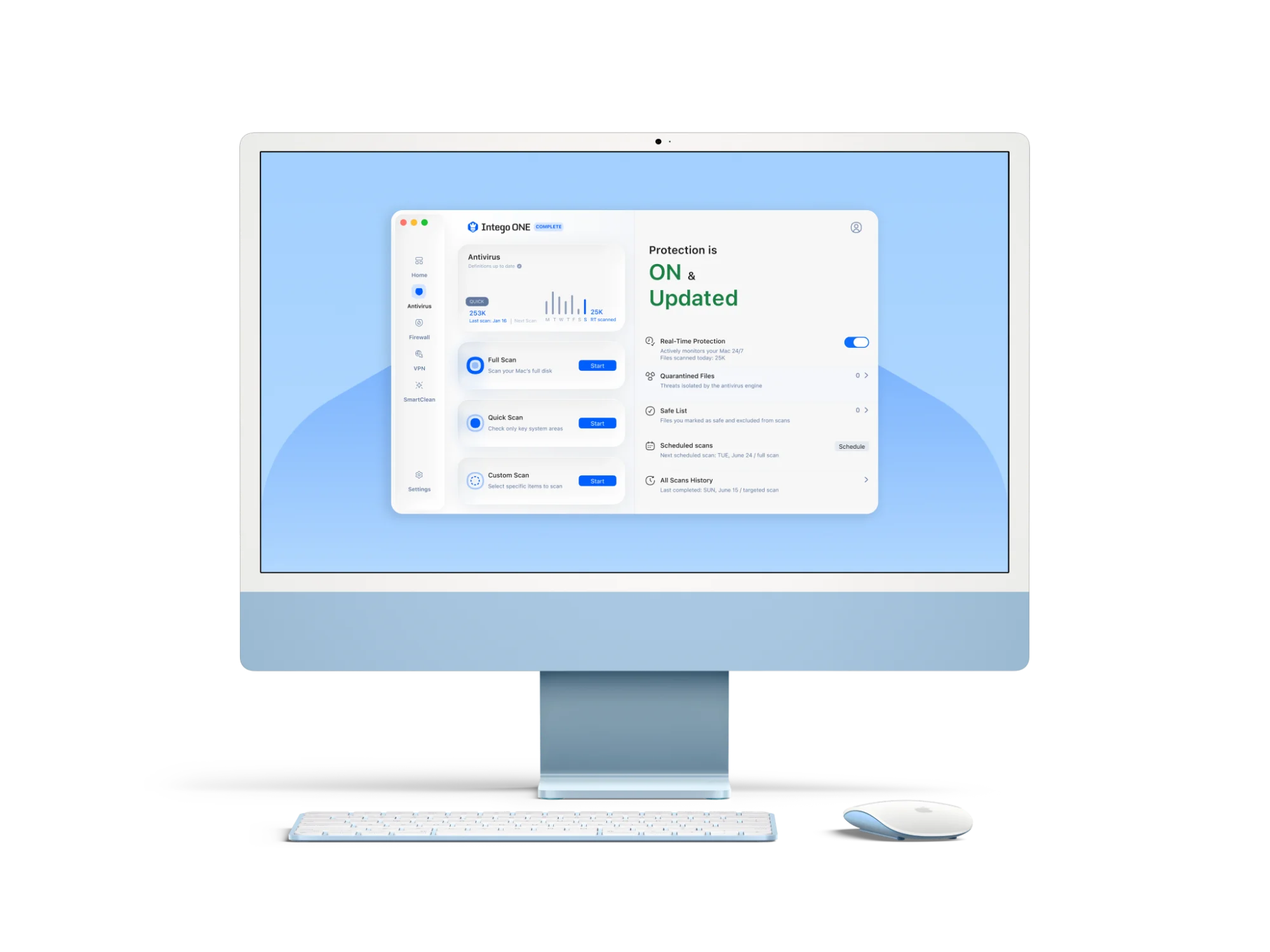
If you’d like a more active way to scan for problems and catch suspicious files early, Intego ONE adds Mac-first antivirus protection alongside macOS’s built-in security.
Frequently asked questions
Is macOS Tahoe more secure than macOS Sequoia?
Yes, macOS Tahoe includes Apple’s latest macOS security fixes, privacy refinements, Safari/WebKit protections, and built-in malware protections for supported Macs. macOS Sequoia may still receive security updates while supported, but Tahoe gives compatible Macs the newest macOS protections Apple currently offers.
Does macOS Tahoe include antivirus?
macOS Tahoe includes built-in malware protections like XProtect, Gatekeeper, and app notarization. These help block known malware and unsafe apps in the background, but they don’t work like a full antivirus app with manual scans, scan controls, and clearer visibility into suspicious files.
Should I upgrade to macOS Tahoe for security?
If your Mac can run Tahoe and your daily apps support it, moving to the new version is a sensible choice for your security. It ensures you have the most recent defenses Apple has built, closing known gaps that might remain open on older software versions.
Can macOS Tahoe stop zero-day attacks?
No operating system can stop every zero-day attack, and that includes macOS Tahoe. However, once Apple releases a fix for a software flaw, updating quickly helps protect you from that specific issue.
Is an older Mac unsafe if it can’t run macOS Tahoe?
Not necessarily. Older Macs can still be used safely if they continue receiving security updates and you’re careful with downloads, websites, email attachments, and unfamiliar apps. The risk increases over time once a Mac stops receiving important security fixes.
Do I still need antivirus with macOS Tahoe?
It’s a good idea if you want more active protection. Tahoe includes useful built-in protections, but dedicated Mac antivirus software can add real-time scanning, manual scan controls, and more visibility into suspicious files or activity on your Mac.