Are Macs vulnerable to zero-day exploits?
Posted on
by
Doris Muthuri

Macs have a strong reputation for security, but an Apple zero-day vulnerability can still affect them. Attackers can exploit these security flaws before Apple releases a fix, making them different from vulnerabilities that already have security updates available.
That doesn’t mean you need to worry every time you use your Mac. Many Apple zero-day exploits reported as actively used have involved highly targeted attacks, and Apple usually moves quickly to release a security update once a vulnerability comes to light. This guide explains what zero-day exploits are, when they become a real risk, and the practical steps you can take to keep your Mac safer.
What is an Apple zero-day vulnerability?
An Apple zero-day vulnerability is a security flaw that doesn’t yet have a fix available. Attackers may discover and exploit it before Apple or the public becomes aware of it. Because no security update is available yet, attackers can exploit the flaw before users have a chance to protect their devices. The term “zero-day” refers to the fact that the software developer has had no time to release a fix before the vulnerability is exploited or disclosed.
Apple zero-day vulnerabilities can affect macOS, iOS, iPadOS, Safari, WebKit, and other Apple software. A vulnerability is the weakness itself, while a zero-day exploit is the method attackers use to take advantage of that weakness. Once Apple learns of the issue, it develops and releases a security update to fix the vulnerability.
Are Macs vulnerable to zero-day exploits?
Yes. Macs can be vulnerable to zero-day exploits. Like any operating system, macOS can contain security flaws that remain undiscovered or unpatched. Until Apple releases a security update, attackers can exploit those vulnerabilities.
That doesn’t mean Macs are easy to hack or that every zero-day puts every user at immediate risk. Some of the Apple vulnerabilities known to have been exploited were used in highly sophisticated attacks against specific individuals. These attacks often require significant resources and are unlikely to target the average Mac user.
Even so, zero-day vulnerabilities show that no operating system is completely immune to newly discovered security flaws. Installing updates promptly helps close those gaps once Apple releases a fix.
Apple designs macOS with multiple security features, including Gatekeeper, XProtect, and System Integrity Protection (SIP), to make many attacks harder to carry out and limit their impact. While these protections can’t stop every zero-day exploit, they can block some related threats or limit what an attacker can do after gaining access.
How Apple detects and fixes zero-day vulnerabilities
Apple learns about potential security vulnerabilities from several sources before investigating and developing a fix. These reports can come from:
- Apple’s security teams: Engineers and security specialists who test Apple’s software and look for weaknesses before and after a product’s release.
- Independent security researchers: Cybersecurity experts who responsibly report vulnerabilities they discover so Apple can fix them.
- Technology partners: Companies that work with Apple and sometimes identify security issues while developing, testing, or integrating software and hardware.
- Organizations that study cyber threats: Security companies and research groups that investigate cyberattacks and share information about vulnerabilities affecting Apple products.
After receiving a report, Apple investigates the issue to confirm the vulnerability, understand how it works, assess how serious it is, and determine which products are affected. If a fix is needed, the company develops, tests, and validates a security update before releasing it to users.
When the update is available, Apple publishes security release notes explaining what the update fixes and which devices or software versions it affects. Many vulnerabilities also receive a Common Vulnerabilities and Exposures (CVE) identifier, which gives security researchers and organizations a standard way to identify and track the issue.
Once Apple fixes the problem, it releases software updates for the affected devices. Depending on where the vulnerability exists, you may need to update macOS, iOS, iPadOS, Safari, WebKit, watchOS, tvOS, or visionOS to protect your device.
Recent Apple zero-day examples show why updates matter
Apple periodically releases security updates for vulnerabilities that may already have been exploited. Many of the Apple zero-day vulnerabilities reported as actively exploited have involved highly targeted attacks rather than everyday users.
Recent examples include:
- February 2026 – CVE-2026-20700: Apple patched this memory-corruption vulnerability in macOS Tahoe 26.3 and several other operating systems. Apple said it may have been exploited in a highly sophisticated attack against specific individuals using versions of iOS earlier than iOS 26. Although Apple didn’t report Mac exploitation, the flaw also affected macOS and required an update.
- August 2025 – CVE-2025-43300: Apple released macOS Sequoia 15.6.1 to fix an ImageIO vulnerability that it said may have been exploited in an extremely sophisticated attack against specific targeted individuals. The flaw could allow a specially crafted image file to corrupt memory, highlighting why installing Mac security updates promptly is so important.
- Earlier Apple security updates: Apple has released several emergency updates over the years to fix zero-day vulnerabilities that attackers were already exploiting in real-world attacks. These updates have affected different parts of Apple’s software, including macOS, iOS, Safari, and WebKit.
These examples show that zero-day vulnerabilities aren’t limited to one device or one operating system. A single flaw can sometimes affect Macs, iPhones, iPads, and other Apple devices at the same time.
How to protect your Mac from zero-day attacks
You can’t stop new security vulnerabilities from appearing, but you can reduce the chances of attackers taking advantage of them. These steps reduce your Mac’s exposure to zero-day attacks and many other security threats.
- Turn on automatic updates: Enable automatic updates so your Mac installs security fixes as soon as Apple releases them. This reduces the time it remains exposed.
- Keep your web browser updated: Zero-day vulnerabilities can affect browsers as well as macOS. Install updates for Safari or any other browser you use, such as Chrome or Firefox, as soon as they’re available.
- Download apps only from trusted sources: Stick to the Mac App Store or the developer’s official website. If a pop-up tells you to install an urgent update, don’t trust it. Check for updates through your Mac’s Software Update settings instead.
- Review app permissions regularly: Check which apps can access your files, camera, microphone, and other sensitive data. Remove permissions you no longer want apps to have, and use a standard account for everyday tasks whenever possible.
- Back up your Mac regularly: Create regular backups with Time Machine or another trusted backup solution. If malware or another problem affects your Mac, you’ll have a recent copy of your files to restore.
- Use trusted Mac security software: Apple’s built-in security features reduce risk, but they aren’t designed to catch every threat. Security software like Intego Antivirus can detect malware, scan suspicious downloads, and warn you about potentially harmful files. It can’t patch Apple zero-day vulnerabilities, but it can catch known malware attackers often use alongside an exploit.
Do antivirus tools protect against Apple zero-day threats?
Yes, but with an important limitation. Antivirus software can’t fix a zero-day vulnerability or patch macOS. Only Apple can do that, through security updates. That’s why installing Apple updates as soon as they’re available should be your first line of defense.
That said, antivirus software still reduces your risk in several ways:
- Detect known malware: If attackers use malware after exploiting a vulnerability, antivirus software may find and remove it before it causes more damage.
- Scan downloaded files: Antivirus software can check files you download and warn you if it detects known malware before you open or install them.
- Detect unwanted software: Antivirus software finds adware, potentially unwanted applications (PUAs), and other programs that can slow down your Mac or put your privacy at risk.
Strong protection comes from using several security measures together. Keep macOS and Safari up to date, download software only from trusted sources, back up your important files regularly, and use reputable security software as part of your everyday routine.
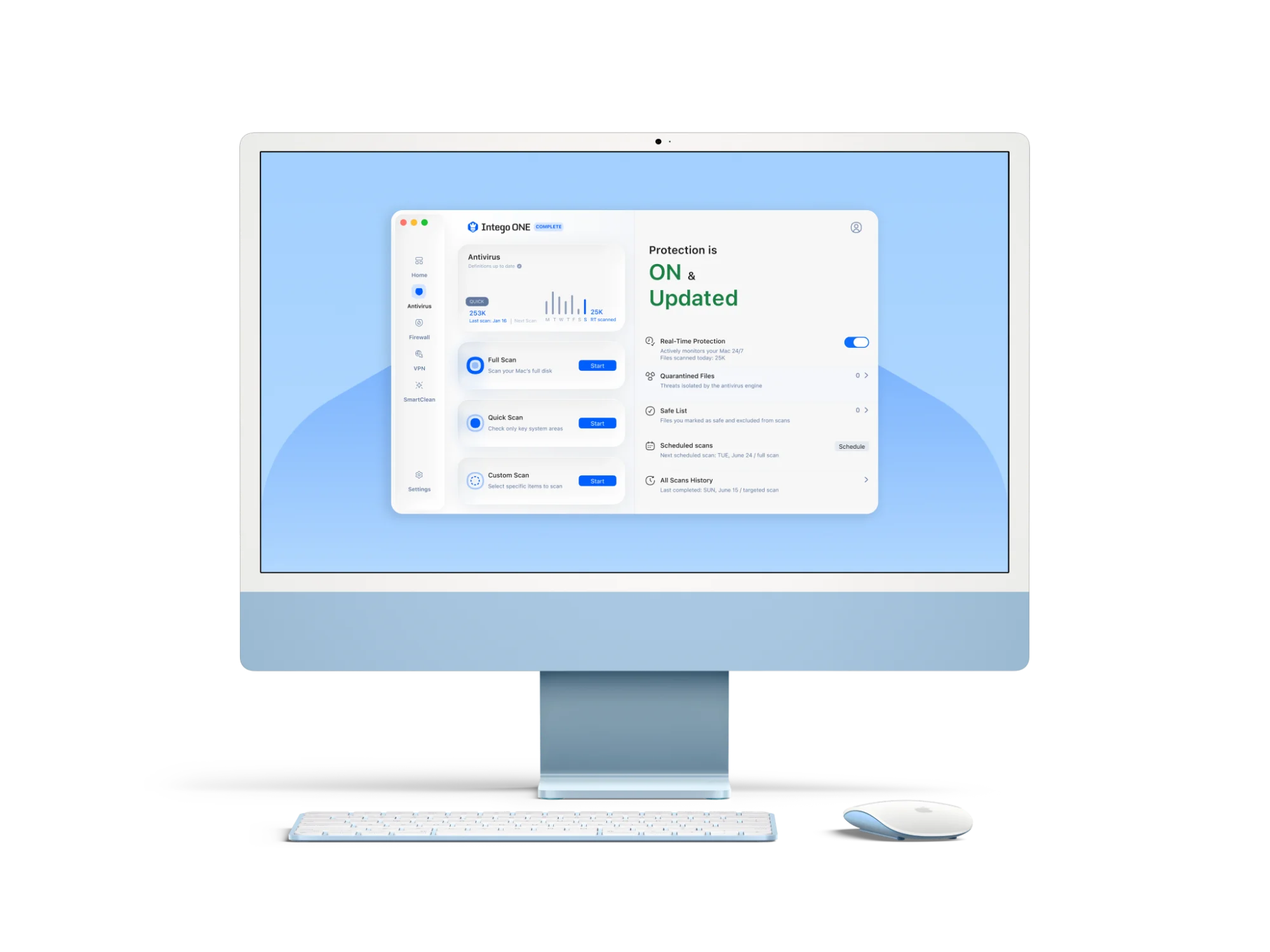
If you want broader protection, Intego ONE combines antivirus with additional security tools, including a firewall. The antivirus detects malware and scans downloads, while the firewall lets you control which apps can send and receive data over the internet.
No security software stops every Apple zero-day attack. What it can do is detect known malware or unwanted software used alongside some attacks, while Apple’s updates close the underlying flaw.
What to do when Apple patches a zero-day vulnerability
If Apple releases a security update for a zero-day vulnerability, act as soon as you reasonably can. Taking a few steps gets your devices onto the patched version and lets you spot any signs of suspicious activity.
- Install the update as soon as possible: Open System Settings > General > Software Update and install the latest security update. The sooner you update, the sooner it closes the flaw on your Mac.
- Restart your Mac if prompted: Some security updates don’t take full effect until your Mac restarts. If you’re asked to restart, don’t keep putting it off.
- Update your other Apple devices: Check your iPhone, iPad, Apple Watch, and other Apple devices linked to your Apple Account. If updates are available, install them too, especially if the vulnerability affects multiple Apple platforms.
- Review recent downloads and security prompts: Think about any apps, files, or installers you’ve downloaded recently. If something seems unfamiliar or suspicious, don’t open it. Scan it with trusted security software or delete it if you don’t need it.
Zero-day vulnerabilities are a risk, but not a reason to panic
Yes, Macs can be vulnerable to zero-day exploits. But that doesn’t mean your Mac is constantly under attack or impossible to protect. Many reported Apple zero-day attacks have been highly targeted, and Apple usually responds by releasing security updates.
The key is to update your Mac as soon as new security patches are available, keep Safari and your other Apple devices updated, and use trusted security software as part of a layered approach to security. Those habits can reduce your risk when new vulnerabilities appear.
Frequently asked questions
What does zero-day vulnerability mean in cybersecurity?
A zero-day vulnerability is a security flaw that attackers can exploit before a software vendor releases a fix. The vulnerability is the flaw, the exploit is the method used to take advantage of it, and the patch is the security update that fixes it.
Has macOS or iOS been affected by zero-day vulnerabilities?
Yes. Apple has released security updates for zero-day vulnerabilities affecting macOS, iOS, Safari, and other Apple software. Apple recommends installing these updates as soon as they’re available.
How can I protect my Mac from zero-day attacks?
Keep macOS, Safari, and your other apps updated, avoid suspicious downloads, back up your files regularly, and use trusted Mac security software as part of a layered security approach.
Does Apple notify users when a zero-day is patched?
Yes. Apple publishes security release notes for its updates, and your devices notify you when a software update is available. You can also check for updates manually in System Settings > General > Software Update.
Do antivirus tools protect against zero-day threats on Macs?
Yes, but they can’t patch zero-day vulnerabilities. Antivirus software detects known Mac malware, scans downloads, and finds unwanted software. Only Apple’s security updates fix the underlying flaw.
Are zero-day vulnerabilities common on Apple devices?
Apple patches zero-day vulnerabilities regularly. Many of the cases reported as actively exploited have involved highly targeted attacks rather than everyday Apple users. Even so, install security updates promptly when fixes become available.