Choosing an iPhone is easier when you base your decision on how to use your phone. Not every model is built with the same user in mind. Some focus on battery life, others push camera capabilities to the limit, and some are simply the right fit for everyday use.
Apple’s current lineup includes the iPhone 17 Pro, iPhone 17 Pro Max, iPhone Air, iPhone 17, iPhone 17e, iPhone 16, and iPhone 16 Plus. That gives you a good spread of options, from lower-cost models to the more advanced Pro devices. This guide compares the lineup and helps you choose the model that best fits your needs.
When choosing an iPhone, consider practical things like screen size, battery life, camera needs, and storage. Some models are better for casual use, while others make more sense for people who want more screen space or more advanced photography tools. Here’s what to keep in mind before you buy:
If you want a quick answer, these are the best options for common use cases:
| Model | Display Size | Battery life (video playback) | Base storage | Best For |
| iPhone 16 | 6.1″ | 22 hours | 128 GB | People upgrading from iPhone 14 or earlier |
| iPhone 16 Plus | 6.7″ | 27 hours | 128 GB | Bigger screen without Pro price |
| iPhone 17e | 6.1″ | 26 hours | 256 GB | Saving money |
| iPhone 17 | 6.3″ | 30 hours | 256 GB | Balanced everyday use |
| iPhone Air | 6.5″ | 27 hours | 256 GB | Lightweight design |
| iPhone 17 Pro | 6.3″ | 33 hours | 256 GB | Photos, video, performance |
| iPhone 17 Pro Max | 6.9″ | 39 hours | 256 GB | Heavy daily use, streaming, and gaming |
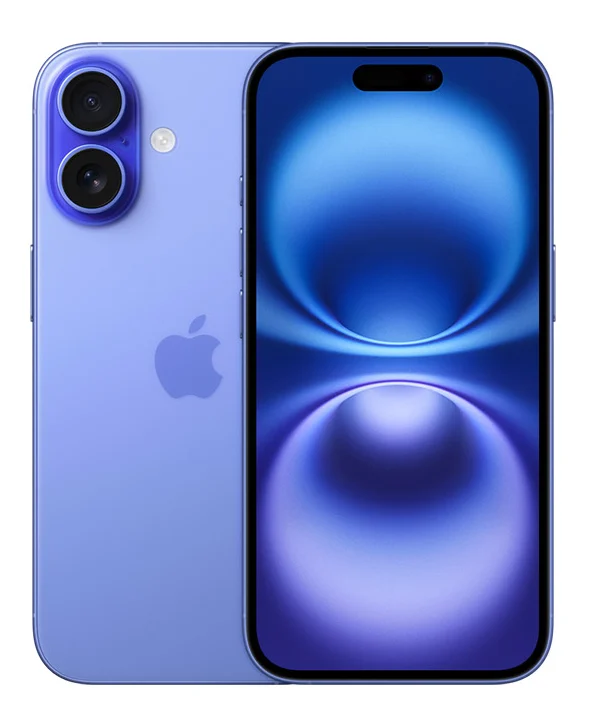
The iPhone 16 is a solid choice if you’re upgrading from an older device like the iPhone 14 (or earlier) and don’t feel the need to go for a higher-end model. It offers a familiar, comfortable size while still introducing useful upgrades like Dynamic Island (an interactive display for notifications) and Camera Control (simplified controls for quick camera adjustments).
Best for: everyday use, upgrading from older iPhones, no-fuss experience
Not ideal if: you want the best performance or long battery life
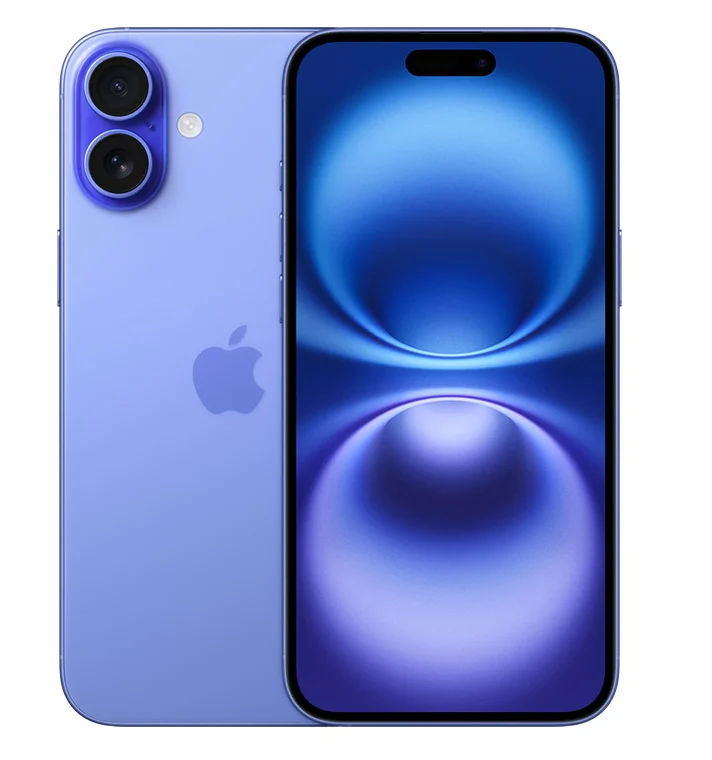
The iPhone 16 Plus is great for people that want a larger display without moving up to a Pro model. Compared with the iPhone 16, the 16 Plus gives you a larger screen and longer battery life, which makes it better for video, browsing, and reading.
Best for: media, reading, bigger screen without Pro pricing
Not ideal if: you want the most advanced camera or top-tier performance
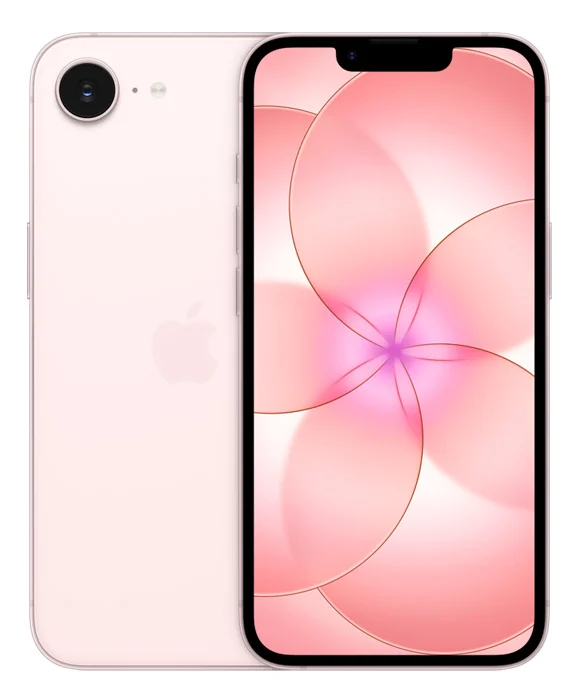
iPhone 17e is the cheapest iPhone in the current lineup. It gives you a modern design and newer A19 chip than the iPhone 16 at a lower price.
It’s ideal if you’re looking for something newer, cheaper, and with a longer battery life than iPhone 16 but don’t need all the extras that come with the Pro models.
Best for: saving money, everyday use
Not ideal if: you want the latest features or advanced camera features
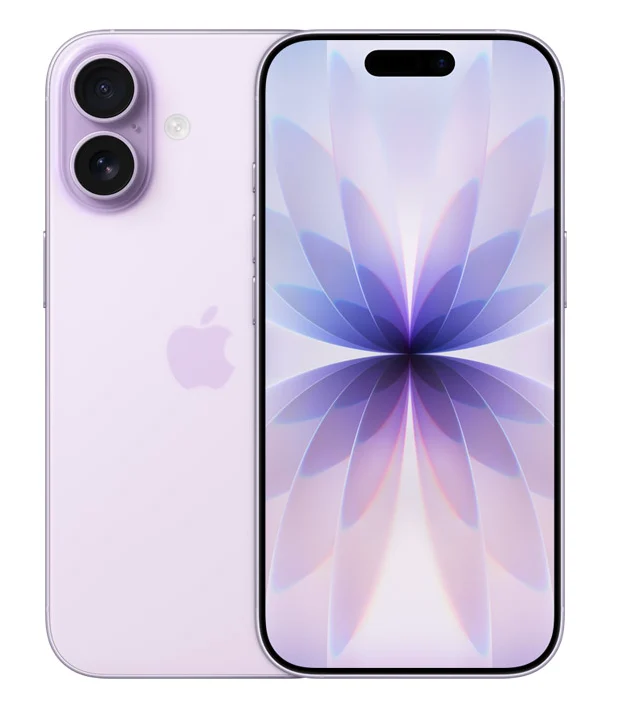
iPhone 17 has a longer battery life, better chip performance, and more advanced camera features (like Center Stage for keeping objects in frame) than both iPhone 17e and iPhone 16. It also adds on features like ProMotion without the extra cost of the Pro models, so you can expect apps to open faster and a smoother scrolling experience.
If you want an iPhone that does everything well, from daily use and social media to photos and battery life, the iPhone 17 is worth considering.
Best for: everyday use, balanced performance, most people
Not ideal if: you want the absolute best camera or the longest battery life
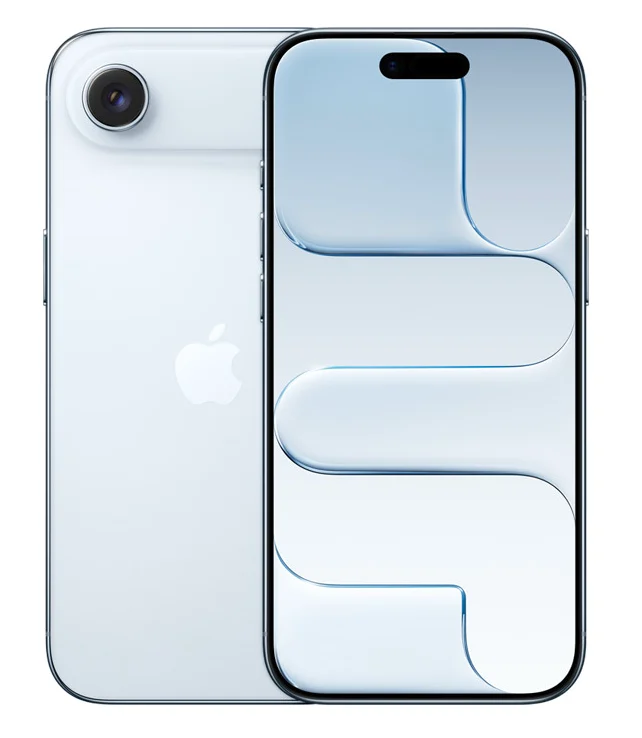
iPhone Air is best for people who care more about how a phone feels than raw specs. It’s thinner and lighter than the rest of the lineup, which makes a noticeable difference if you use your phone a lot throughout the day.
It uses the same A19 Pro chip as the Pro models, which means you can get the same level of performance in a more portable design.
Best for: lightweight feel, all-day comfort, portability
Not ideal if: you want the best battery life or top-tier camera features
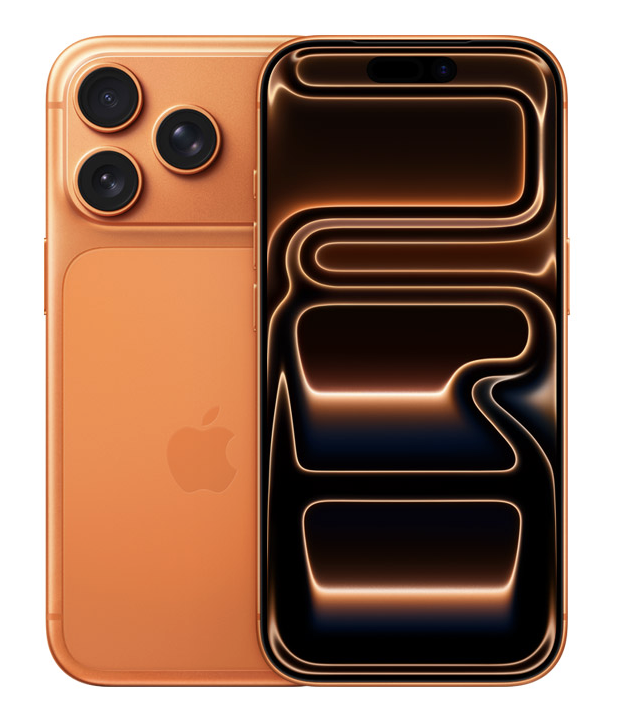
iPhone 17 Pro is best if you care about camera features and overall performance. It adds more zoom options, a 48MP Fusion Telephoto lens, support for faster USB transfers, and a longer battery life compared to iPhone 17. This makes it a better fit for photos, video, and heavier everyday use.
It’s a strong choice if you want something more capable without going all the way up to the larger Pro Max.
Best for: photography, video, performance, heavier use
Not ideal if: you don’t need advanced features or want to keep costs lower
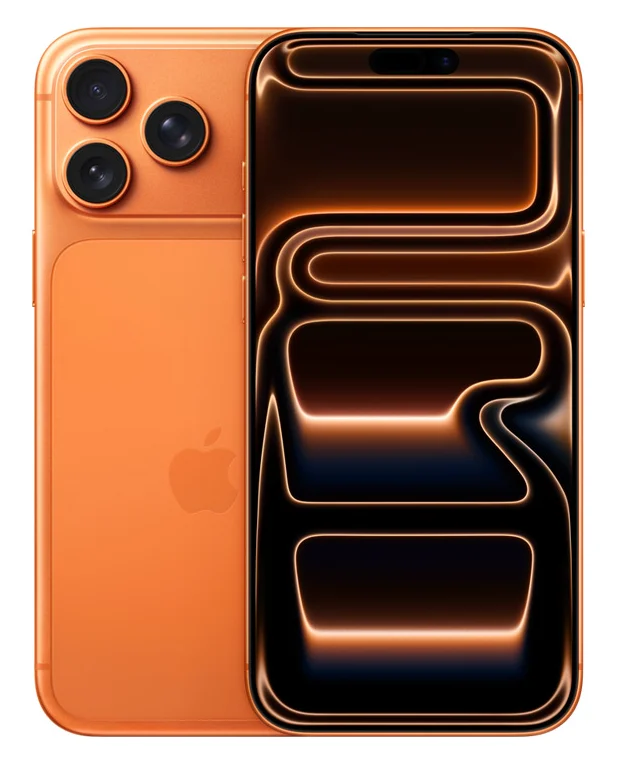
The iPhone 17 Pro Max is the largest model in the lineup, with the biggest screen and the longest battery life.
It’s the best choice if you use your phone heavily throughout the day (especially for video, gaming, streaming, or travel) and don’t want to worry about battery life. Compared to the iPhone 17 Pro, the main difference is size and endurance.
Best for: battery life, large screen, heavy daily use
Not ideal if: you want something lighter, smaller, or easier to carry
The iPhone itself is usually not the risk. The bigger concern is where you buy it and what you click during setup. These habits can help you avoid common mistakes:
Our guide to the top online scams discusses common scam tactics in more detail.
I compared Apple’s current iPhone lineup based on the differences that matter most in daily use, including battery life, camera features, portability, performance, and overall value.
The recommendations are based on common priorities like photography, longevity, and overall value, so it’s easier to choose the model that best fits how you use your phone.
The iPhone 17 offers strong value because it gives you a better overall balance of battery life, display features, storage, and performance than the lower-cost models, without moving into Pro pricing. These include ProMotion technology for smoother responsiveness, Always-On display, and a more efficient chip than the ones in 16 and 17e (appreciated by gamers and photographers).
Start by considering how you use your phone. If you mostly text, browse, and take casual photos, something like the iPhone 16 or 17e will be more than enough.
The iPhone 17 is great if you want something that feels a bit more future-proof – typically with a bigger display, slightly stronger performance, and a bit more headroom for things like switching between multiple apps.
If you care more about photography, gaming, or having the best performance available, that’s where the Pro models start to make more sense.
The iPhone 17 Pro and 17 Pro Max have the most advanced camera systems in the lineup, with additional lenses and more control over how you shoot. They’re the better choice if you take a lot of photos or videos and want that extra flexibility.
It can be, especially if the price is much lower. Older iPhones like iPhone 16 are still usable, but you’ll give up some battery efficiency and newer features like Center Stage for keeping objects in the camera frame. If the price difference is small, going with something like the iPhone 17 is the better long-term buy.
iPhone 17 Pro Max has the longest battery life in Apple’s current iPhone lineup, with up to 39 hours of video playback. It’s the best option if you want a phone that can comfortably last all day with heavy use.
If you prefer a smaller iPhone that’s easier to hold, the iPhone 16 and iPhone 17e are your best options. They both feature 6.1-inch displays – the most compact size in Apple’s current lineup.
If portability matters more than screen size, the iPhone Air is also worth considering. Its thinner, lighter design makes it easier to carry, even though the display is larger than 16 and 17e.


